Spring buyer planning & sourcing resource hub
Canton Fair 2027:
Plan your spring sourcing.
Explore the spring fair’s announced dates, product phases and buyer resources. Turn supplier conversations, sample comparisons and factory visits into a focused sourcing plan.
Announced spring dates · Guangzhou15 April–5 May 2027Official notice · Checked
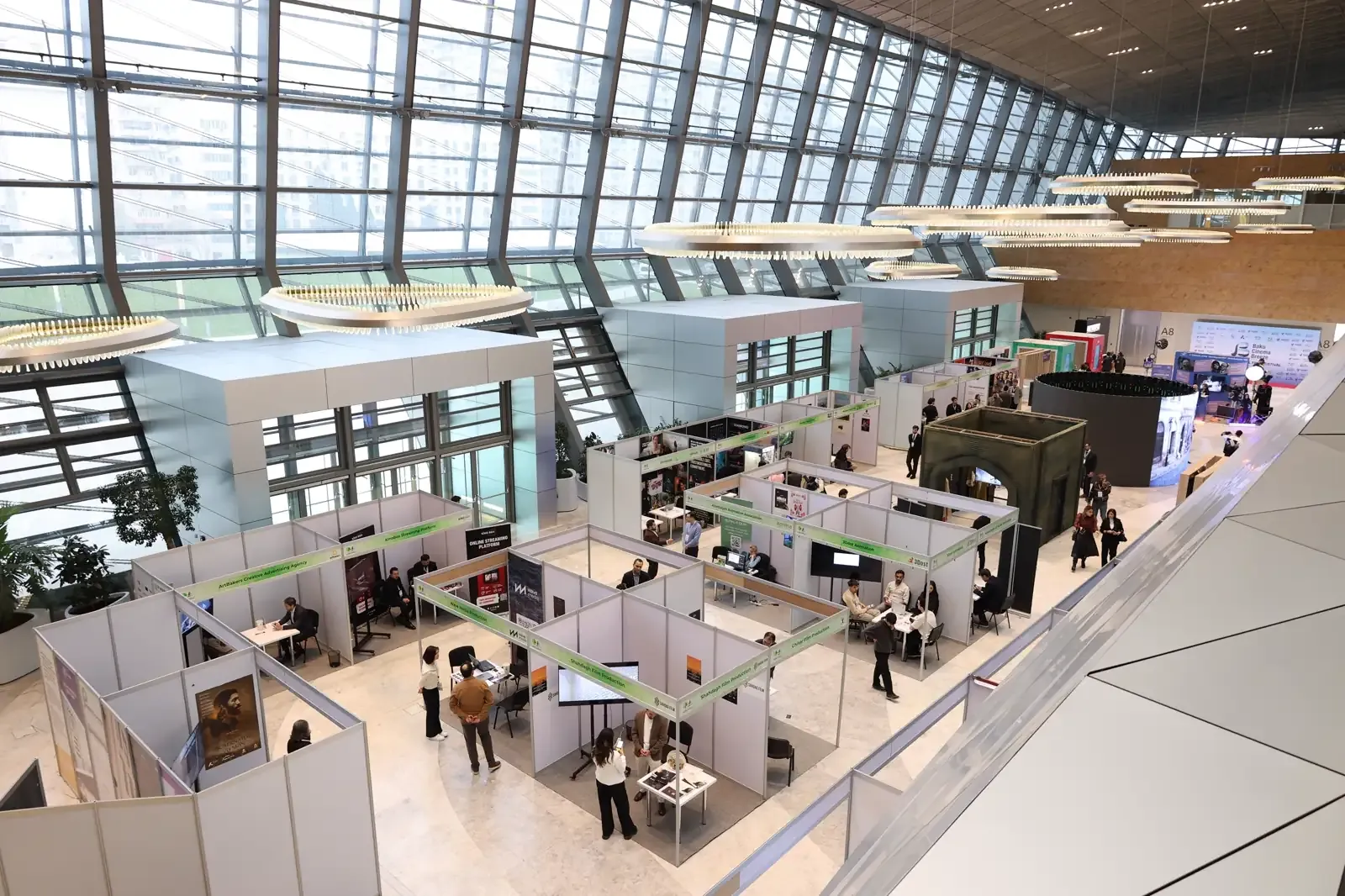
An independent QGO Business guide. QGO is not the Canton Fair organizer or an official service provider.
Know the event. Then build the plan.
Canton Fair 2027 overview.
The Canton Fair is the China Import and Export Fair, held in Guangzhou every spring and autumn. Its product phases help international buyers organize supplier discovery across industrial equipment, home and lifestyle goods, textiles and other consumer categories. The spring 2027 edition is the 141st session, with an announced overall window of 15 April–5 May.
- Co-hosts
- Ministry of Commerce of the PRC and the People’s Government of Guangdong Province.
- Organizer
- China Foreign Trade Centre.
- Where
- China Import and Export Fair Complex, Guangzhou, China.
Venue address & travel planning - When it is held
- Every spring and autumn. The fair began in spring 1957.
- Spring edition
- 141st session · planned 15 April–5 May 2027, across three product phases.
- How buyers use the fair
- Discover exhibitors, discuss products, compare samples and arrange follow-up meetings. Match your product to a phase before fixing the itinerary.
Spring dates: 141st-session announcement published by the Shanghai Municipal Commission of Commerce. Product allocation: official 141st-session exhibition-section attachment (Chinese PDF). The official Canton Fair introduction and 140th-session venue information remain background references. Checked 6 November 2026.
Plan the fair days first
Canton Fair 2027 dates & schedule.
The announced spring window runs from 15 April to 5 May 2027. Choose the phase that matches your products, then build meetings and onward visits around the relevant fair days.
| Session / phase | Announced dates | Planning focus |
|---|---|---|
| Overall session | 15 April–5 May 2027 | The overall window spans three phases; it is not a continuous exhibition of every product group. |
| Phase 1 | 15–19 April 2027 | Electronics, appliances, lighting, equipment and industrial sourcing. |
| Phase 2 | 23–27 April 2027 | Home products, ceramics, furniture, gifts and decoration. |
| Phase 3 | 1–5 May 2027 | Apparel, textiles, footwear, children’s products and other consumer categories. |
Date status: the organizer’s notice, reproduced in the 141st-session announcement published by the Shanghai Municipal Commission of Commerce on 5 November 2026, plans Phase 1 for 15–19 April, Phase 2 for 23–27 April and Phase 3 for 1–5 May 2027. Checked 6 November 2026. Recheck official updates before committing to travel.

2026 autumn vs. 2027 spring
2026 autumn vs. 2027 spring.
A useful spring plan begins with a decision: which products and supplier conversations deserve more time? Returning and first-time buyers can answer that question in different ways.
Autumn 2026
- Phase 1
- 15–19 October 2026
- Phase 2
- 23–27 October 2026
- Phase 3
- 31 October–4 November 2026
The 140th autumn session ended on 4 November 2026. Organize your completed meetings, sample references and unresolved questions before deciding which suppliers to revisit in spring.
Dates: official exhibition-date page, 140th session. The page carries an older publication timestamp; its reviewed body explicitly identifies the 140th session and 2026 dates.
Explore the existing 2026 hall resourcesSpring 2027
Planned: 15 April–5 May 2027. Use the phase dates above to sketch a plan; confirm the organizer’s final schedule and your suppliers’ participation before booking.
The purpose of your next trip may be different from the last one. A broad discovery visit can become a smaller set of follow-up meetings, sample reviews or agreed factory visits.
Returning buyers: keep the evidence, refresh the assumptions. A supplier’s autumn booth, quote and sample do not establish its spring location, current price or production availability.
First-time buyers: start with a product brief, a way to compare suppliers and a realistic meeting list. You do not need a previous fair visit to prepare those.
Choose a route for your current buying stageHave autumn contacts, quotes or samples?
Link each contact to the supplier’s company name, product reference, quote date and the sample you actually reviewed. Mark what was agreed and what was only discussed. A photograph of a business card on its own is a weak follow-up record.
Sort your next actions into continue, clarify or pause. Ask promising suppliers for updated information on the same specification and quantity basis. Separate unanswered commercial questions from checks that require a technical, quality or legal specialist.
Prepare a focused supplier conversationStarting without an autumn supplier list?
Write down the product’s intended use, essential specification, expected quantity range and destination market. Decide which questions you need answered at a booth and which documents or samples require review after the meeting.
Use the exhibitor directory to build a manageable shortlist once current-session information is available. Book meetings only after the supplier confirms its participation and location. Leave time to compare what you learn before adding more visits.
Use the first-time buyer guide for background| Keep as a working record | Reconfirm for the spring trip |
|---|---|
| Product brief, quote references and labeled sample notes. | Current specifications, price basis, sample version and supplier response. |
| Company contacts, meeting notes and unresolved questions. | Company details, responsible contact, participation and appointment. |
| Lessons about your priorities and realistic meeting pace. | Official dates, phase allocation, halls, buyer rules and travel requirements. |
There is no assumption here that spring has more suppliers, better prices or the same product allocation as autumn.
Phase-by-phase sourcing guide
What each phase covers.
These summaries follow the official 141st-session exhibition-section attachment (Chinese PDF). They help you choose a phase; use the dedicated guides for the full section list and product-specific buying questions. English category descriptions are QGO translations.
Start with the product you intend to buy—not just the supplier’s company description. Ask the exhibitor to confirm the phase, hall, booth and person available to discuss that exact product.
Spring 2027
15–19 April
Electronics, equipment & industrial sourcing
Product families to explore: household appliances; consumer electronics and information products; industrial automation and intelligent manufacturing; processing, power and agricultural machinery; vehicles and parts; lighting, electrical products, new energy, hardware and tools.
Who should start here
Use it to explore equipment, components or technical products. Compare the specific model and intended application, rather than deciding from a broad sector label.
Questions to bring
Which model and configuration does the quote cover? What documentation supports the performance or compliance claim? Which service, spare-parts or installation questions need a specialist’s review?
Before setting a meeting: send the product reference, ask whether the relevant technical contact will attend, and obtain current-session booth details.
Read QGO’s Phase 1 sourcing guideSpring 2027
23–27 April
Home, furniture, gifts & decoration
Product families to explore: household ceramics and kitchenware; household items; glassware and home decoration; garden and festive products; gifts; clocks and optical products; building and decorative materials; sanitary equipment; and furniture.
Who should start here
Use it for range development and comparisons involving materials, finish, dimensions or packaging. Similar-looking items may have different specifications and landed-cost implications.
Questions to bring
Does the price refer to the displayed finish and dimensions? What are the carton dimensions, packing assumptions and order quantities? Which materials, color options or sample changes need confirmation?
Before setting a meeting: share the exact product or collection and ask the supplier to confirm the sample, packaging information and person available for discussion.
Read QGO’s Phase 2 sourcing guideSpring 2027
1–5 May
Apparel, textiles & consumer products
Product families to explore: toys and maternity, baby and children’s products; clothing, fabrics, footwear, bags and home textiles; office supplies; medicines, health products and medical devices; food; sports and travel products; personal care, bathroom and pet products.
Who should start here
Use it to compare consumer ranges, fabric or material specifications, sizing and sample consistency. Regulated categories need product-specific professional review for the destination market.
Questions to bring
Which material, size set or formulation is being quoted? Which sample version is approved for comparison? What evidence supports a claimed standard, and who will independently assess whether it applies?
Before setting a meeting: identify the precise product category and required sample. A broad “consumer goods” match is not enough to establish the correct spring phase.
Read QGO’s Phase 3 sourcing guideProduct allocation: official 141st-session exhibition-section attachment (Chinese PDF). English summaries are QGO translations; use the dedicated Phase guides for the full section lists.
Match the trip to the buying brief
Which phase should you attend?
A useful starting phase follows your product family. A useful meeting plan follows the particular supplier, sample and question. Use both before deciding how many days to spend at the fair.
Technical products or equipment
Start with Phase 1. For appliances, lighting, electrical components or machinery, identify the model and application before comparing exhibitors. Decide whether the meeting needs an engineering contact, a product demonstration or documentation for later specialist review.
Home, interiors or gift ranges
Start with Phase 2. For furniture, ceramics, kitchenware and decorative products, bring material, finish and packaging requirements. A visual match is only the beginning: dimensions, packing and minimum quantities can change the comparison.
Apparel, textiles or consumer ranges
Start with Phase 3. For garments, footwear, bags, textiles, toys or children’s products, prepare material, sizing and sample-version questions. Identify any product-specific testing or market requirements that need professional assessment.
Buying across more than one family?
List each target product separately and map it to the official sections. Rank the meetings that can change a buying decision. Attending every phase adds days; compare that cost with the value of the specific conversations, and allow time between meetings to review findings.
Returning to existing suppliers?
Start with the contact’s confirmed participation and the questions left open from autumn. If the key discussion is at a factory or office, arrange that appointment directly. A fair phase alone does not establish the right meeting location.
First-time buyer preparation · Connect fair days with the rest of the visit · Find your preparation route
What buyers should prepare
Bring a brief.
Leave with comparable evidence.
The work before a booth meeting determines how useful the conversation can be. Prepare enough detail to compare options, while keeping confidential drawings and commercial information within the access you choose to grant.
Define what a good supplier conversation must answer.
Prepare a concise product brief: intended use, essential specification, material or performance needs, quantity range and destination market. Separate fixed requirements from options you are still exploring.
Shortlist exhibitors by product fit and the questions they can answer. Confirm their participation and booth, the responsible contact and whether the relevant sample or technical person will be available. A long list of names is less useful than a smaller list with a purpose for each meeting.
Build the sourcing brief and shortlistKeep the quote tied to the product.
Record the company, product code, specification and sample version. Ask what the price covers, how long it remains valid and which assumptions affect it. Check whether the person quoting is the manufacturer, a trading company or another intermediary.
For claims about materials, performance or compliance, request the relevant evidence rather than relying on a statement at the booth. Note who will send it and what needs an independent specialist’s review.
Use a focused supplier meeting agenda| Keep consistent | Record the difference |
|---|---|
| Product specification and sample reference | Material, dimensions, finish, version and any requested change. |
| Quantity and packaging assumptions | Order basis, packing method, carton dimensions and quoted exclusions. |
| Commercial and delivery assumptions | Currency, agreed delivery basis, quote validity and stated production timing. |
| Evidence and follow-up | Documents requested, sample owner, unanswered questions, responsible contact and next action. |
After the meeting, decide what deserves another step.
Send a short written recap while the discussion is fresh. Identify the sample or quote being discussed, confirm what changed and list the outstanding evidence. Sort suppliers into continue, clarify or pause. Use a follow-up meeting for unresolved product questions; use an agreed factory visit for site-specific questions; use a qualified provider for formal due diligence, testing or inspection.
Returning buyers can update their autumn records instead of starting again. First-time buyers can use the same record structure from their first conversation. Understand the supplier’s role and review the verification scope before choosing the next step.
Your next useful move
Canton Fair Buyer Strategy Finder
Choose where you are in the sourcing process. Get a preparation route and relevant reading without sharing company, supplier or product details.
Your preparation route
Start with a clear sourcing brief.
Use the guide below to decide what to prepare before the spring schedule is confirmed.
- Define the product, specification and questions that matter to your buying decision.
- Build a focused supplier shortlist using current exhibitor information when available.
- Confirm the official phase, buyer instructions and each supplier appointment before fixing the itinerary.
Confirm before committing
- Official 2027 dates, phase categories, halls and buyer requirements.
- Each supplier’s attendance, meeting location and appointment.
Read next
The organizer’s announced spring schedule is Phase 1: 15–19 April; Phase 2: 23–27 April; Phase 3: 1–5 May 2027. Current halls, buyer requirements and supplier appointments still need confirmation. This tool does not assess supplier quality or guarantee entry, visas or buying outcomes.
Supplier sourcing & factory visits
A booth conversation
is a starting point.
The next useful step is evidence you can compare: a clear product reference, a consistent quote, a responsible contact and an agreed purpose for another meeting.
A fair can help you discover options. A visit can help you understand a site and discuss questions. Neither, by itself, establishes the supplier’s legal position, technical capability or the quality of a future shipment.

Screen before filling the diary.
Identify the company you are talking to and its stated role in the supply chain. Ask whether the meeting concerns a manufacturing site, trading office or showroom. Keep product fit and visit feasibility separate from conclusions about the supplier’s reliability.
Finding a manufacturer explains how to start the search. Manufacturer vs. trading company helps frame the questions. For what QGO checks, read supplier due diligence and factory verification.
Compare on the same basis.
Use one specification and quantity basis when requesting updated quotes. Record currency, packaging, delivery assumptions and what is excluded. Keep each sample’s identifier and revision alongside its supplier and quote; a newer sample may differ from the one discussed at the fair.
Send the unresolved questions before the meeting. The supplier meeting preparation guide helps turn a general conversation into a focused agenda.
Confirm the site before the route.
Obtain the actual factory address, local-language location details, host’s name and contact, agreed time and visit purpose. Ask what areas you may enter, whether production will be operating and whether photography or document access has limits.
Group confirmed addresses into a realistic route, allowing for ground travel and meeting duration. An interval between fair phases does not establish a factory’s availability. Use the Canton Fair factory visit guide and Guangzhou route planning guide before adding another stop.
Choose the right level of verification.
Initial screening organizes available information and open questions. Formal due diligence may need specialist legal, financial or technical work. Product testing and shipment inspection are separate quality tasks with their own scope, method and qualified provider.
QGO is not a factory auditor, quality inspector or legal adviser. The due diligence and factory verification guide explains why a coordinated visit must not be treated as approval of a supplier.
Venue, travel & official resources
Make the fair work
with the rest of the trip.
A booth, a factory and your hotel may be in different parts of the region. Build the itinerary around verified locations and appointments, then decide how the journeys fit together.
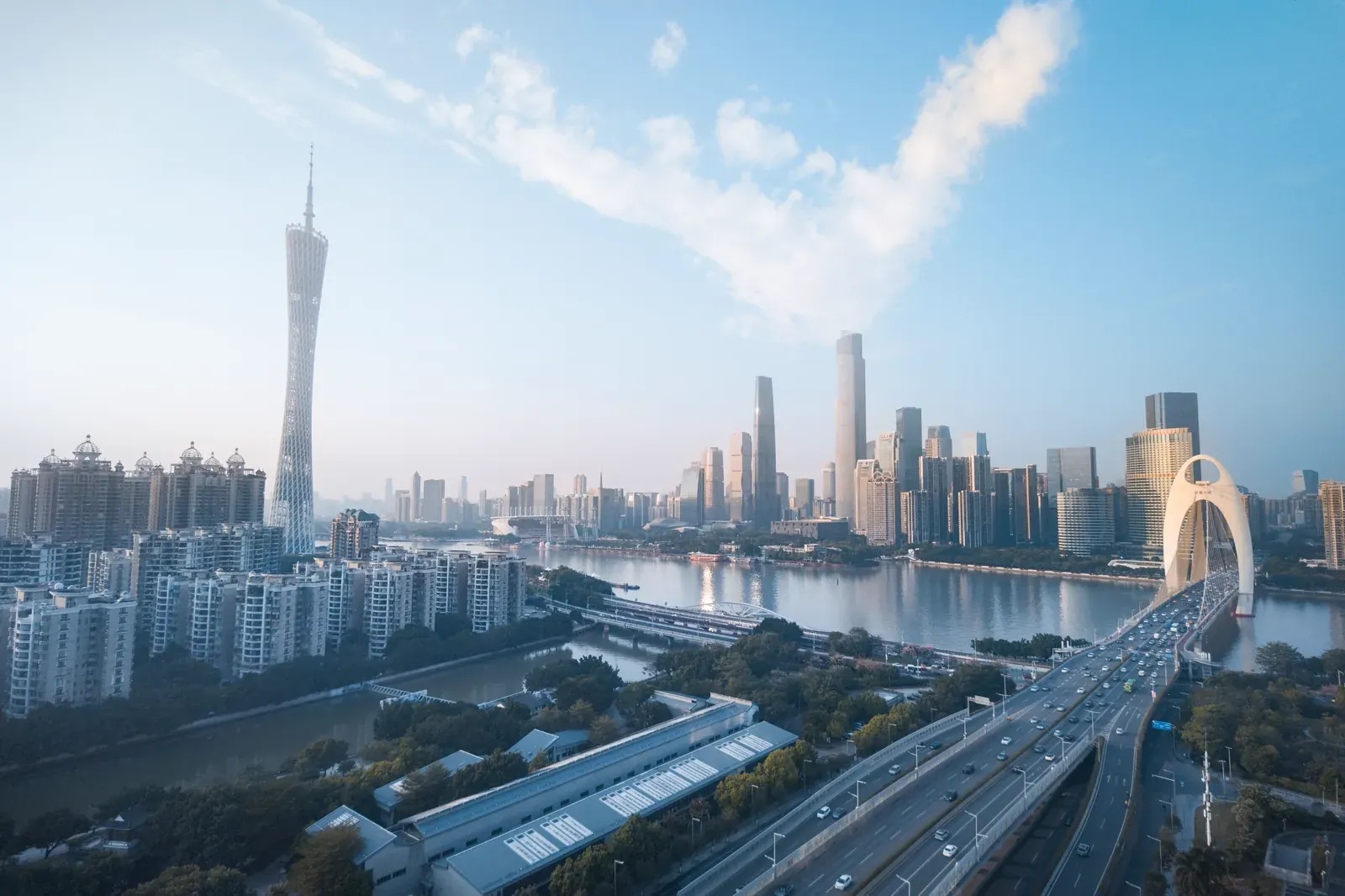
The verified venue reference
China Import and Export Fair Complex
No. 382, Yuejiang Zhong Road,
Haizhu District, Guangzhou, China.
The organizer lists this address for the 140th session. Confirm the next session’s venue information, relevant exhibition area and entrance before travelling; an address alone does not identify your supplier’s hall or meeting point.
Check official session and venue information ↗Travel between confirmed places.
Save the venue, hotel and supplier addresses in a form you can show a driver or host. Plan airport or station transfers separately from daily fair and factory travel. Confirm the pickup point and contact before each journey.
Business visit planning connects meetings, interpretation and transport. The Guangzhou sourcing guide provides wider sourcing context beyond the exhibition.
Choose accommodation around the itinerary.
Compare the journeys you actually need, together with cancellation terms and your confirmed travel dates. A hotel listing or inquiry does not establish room availability, an agreed rate or a confirmed reservation.
The first-time buyer guide covers registration, entry, hotels and transport. Current QGO packages may include accommodation according to the selected package; request written confirmation of spring scope and arrangements.
Buyer registration & entry
Prepare the account. Recheck the rules.
The official year-round overseas-buyer pre-registration notice says pre-registration is open all year and refers to the 140th session. It does not establish the 141st calendar or guarantee eligibility.
Follow the organizer’s current registration and badge instructions. Treat a fair invitation, fair access and permission to enter China as separate matters. Use the relevant official immigration and consular guidance for your passport and trip; QGO cannot guarantee a badge, invitation, visa or entry approval.
Use the Business Trip to China Guide and its official-source toolsRelated guides & services
Go deeper on the decision
in front of you.
This hub keeps the spring status and your next step together. The existing guides cover the detailed work. The 2026 hall-map resource is historical; recheck current-session halls and buyer rules for your trip.
Build a sourcing brief.
Understand the search process, define the product and decide how to compare potential suppliers before booking meetings.
Prepare a first fair visit.
Use established preparation guidance alongside the organizer’s new session information. Connect the fair days with the wider business trip.
Follow up and visit suppliers.
Turn unresolved questions into an agenda, decide which checks need specialists and connect confirmed factory appointments into a workable route.
Arrange local business support.
Review the actual service scope, then discuss the meetings, interpretation, ground transport and visit coordination your itinerary needs.
Independent China-side business support
Move from a shortlist
to a workable visit.
Discuss supplier meeting coordination, factory visit routes, business interpretation and vehicles with drivers. Share your product focus, cities, group size and confirmed appointments when requesting a proposal.
The current package page describes its own applicable offers. Confirm spring 2027 scope, availability and terms with QGO; this guide does not offer a 2027 booking or payment link.
Sources, date status & updates
Checked .
- 141st-session announcement published by the Shanghai Municipal Commission of Commerce — organizer’s business-office notice 会业字〔2026〕384号, published 5 November 2026. Its wording plans the three phases for 15–19 April, 23–27 April and 1–5 May 2027.
- official 141st-session exhibition-section attachment (Chinese PDF) — phase allocation; English summaries are QGO translations.
- Official Canton Fair introduction — event background.
- Year-round overseas-buyer pre-registration notice — registration background; follow the current session’s badge instructions.
- Official Canton Fair website — current announcements, exhibitor search and buyer resources.
Still to confirm: the 141st-session hall map, supplier booth locations and current badge collection arrangements. A 2026 hall number is not evidence of a 2027 location. Photography is illustrative and does not document the 2027 fair or a QGO client engagement.
Browse all QGO resources