How to Plan Factory Visits Around the Canton Fair
You met them at the booth. The samples looked right, the price sat in range, and the sales manager spoke fluent English. Now comes the harder question: do you actually understand this supplier well enough to place an order? A Canton Fair factory visit is the step that turns a promising booth conversation into a better-informed sourcing decision. It builds commercial understanding. It is not a factory audit, and this guide is clear about where that line sits.
Last updated: August 2026
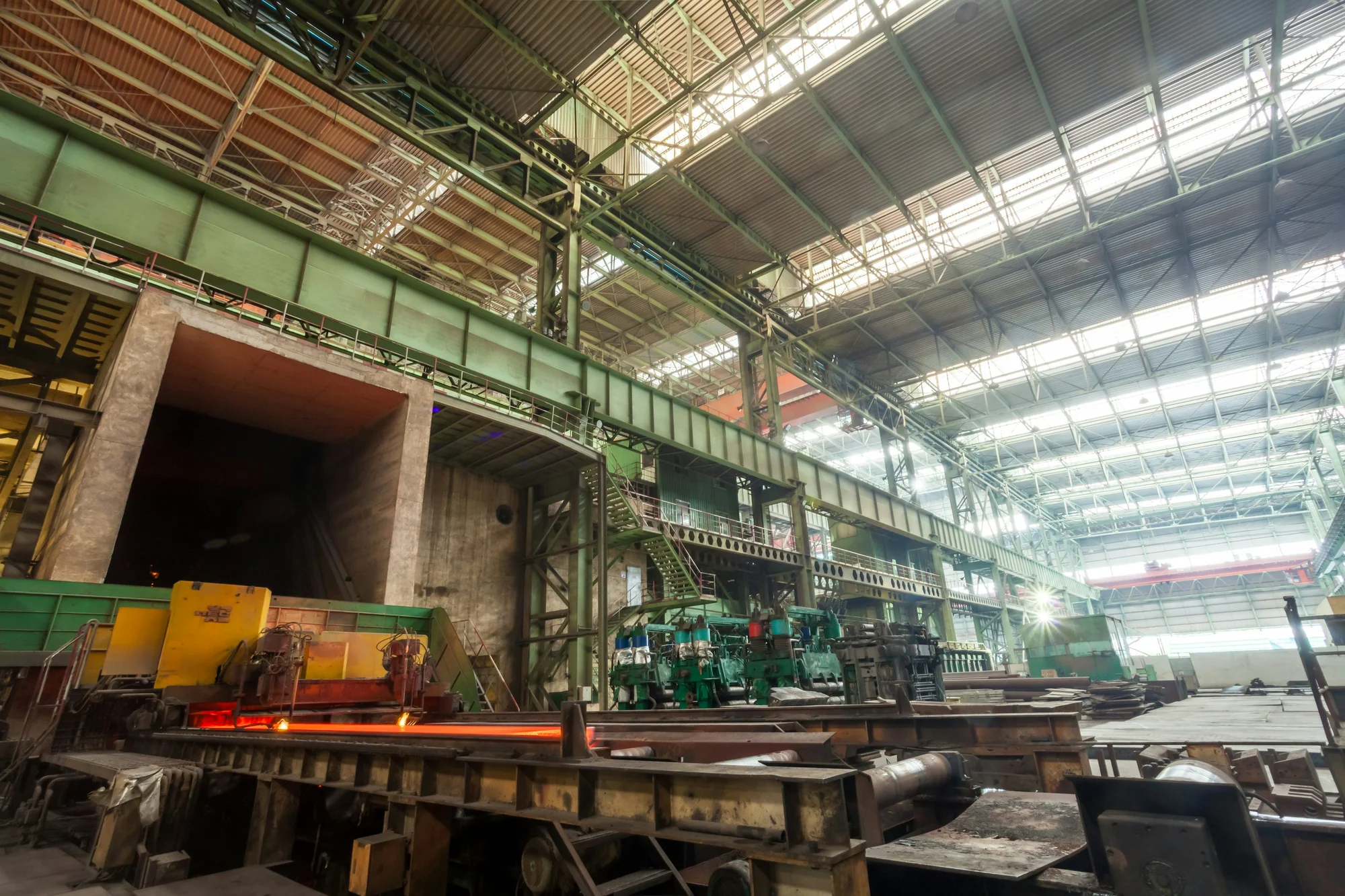
The Canton Fair is a discovery engine. At the Pazhou complex, buyers can meet a large number of potential suppliers in a concentrated period. What the fair cannot tell you is whether a factory can hold your tolerances, run your volumes, or answer a technical question from your engineers. A planned factory visit closes part of that gap.
This article is the execution-level companion to two broader guides. For fair registration, visa, and hotels, start with our first-time buyer guide to Canton Fair 2026. For the larger “during or after the fair, and why” decision, see our Canton Fair business visit planning guide, which lays out the during-versus-after framework. We assume the visit is worth it. From here, the guide covers execution: which suppliers to see, how to arrange and route the trips, what to discuss and document, and what a visit can and cannot prove.
Factory Visit
Builds commercial understanding.
Not Automatically
Audit · QC · formal due diligence covers different ground.
In this guide
What a Factory Visit Can and Cannot Tell You
A factory visit is a working meeting on the supplier's home ground. Done well, it tells you what a booth conversation cannot.
You can reasonably learn how a product is actually made, how a line is laid out, and how the floor talks about quality. You can gauge whether the person across the table understands your specs or only your budget. You can see whether the workshop is organized, whether samples match what was shown at the fair, and whether the team can hold a technical discussion without deflecting. Those observations feed a simple judgment: is this a supplier worth a relationship?
What a normal visit does not prove is just as important. A factory visit does not automatically certify the supplier, validate every brochure claim, or confirm a quality-management system. It does not replace a QC inspection, a formal factory audit, or legal and financial due diligence. You may be shown a clean line and a friendly manager; you have not seen the whole business. Treat the visit as one input into a decision, not the decision itself.
We keep that distinction on purpose.
When we say “factory visit,” we mean a business meeting at the supplier's site that deepens your understanding, not a verification exercise with a pass-or-fail outcome.
Can You Trust Factory Photos and Videos?
Photos and videos are useful context, not proof. A supplier can show another company’s line, a tidied-up area, or a workshop that is not theirs. What raises confidence is specificity and verifiability: a live video call walked in real time rather than an edited clip, footage that matches the address on the business licence, and a person on camera who can answer questions about your product rather than read from a script. None of that verifies ownership. Confirming the legal entity, the production site and the relationship between them is a separate check — see our supplier due diligence and factory verification service.
Which Suppliers Are Worth Visiting?
A Canton Fair factory visit works best when it targets a supplier you are already taking seriously. Start from the shortlist you built at the fair, and hold any supplier you have not yet screened for a later pass.
Business relevance and product fit come first. If the product matches your specification and volumes are realistic, a visit can confirm whether the relationship is worth pursuing. If the match is weak, no tour will fix it, and the travel time is better spent elsewhere.
Communication quality is a strong signal. A supplier that answered your pre-fair email specifically and discussed tolerances or lead times directly is different from one that dodged every technical question. A visit tests that communication on their own turf, with the engineer or production manager in the room.
Open questions decide the trip. The strongest reason to visit is a gap you could not close at the fair: you need to see the production area, understand tooling ownership, confirm export experience, or watch how they handle a quality issue. If you have no open question, ask whether the visit is necessary or whether a detailed video call and documents would do.
Factory location and visit feasibility matter. A supplier within practical driving distance in Guangdong may fit into a day trip; a supplier in another province requires a different routing plan. Before committing, confirm the factory is open to visitors, the right people will attend, and the dates fit your trip.
Make one boundary explicit: this is qualification, not verification. Walking a floor and asking questions helps you judge a candidate, but it does not verify the supplier in any formal sense; save formal verification for the separate services built for it.
Discuss Which Visits Are Worth Planning
If you have a fair shortlist and travel dates but are unsure which suppliers justify the trip, talk with our team about a visit plan.
When Should You Visit: During the Fair or After Your Phase?
Can I visit factories during the Canton Fair? Yes. Buyers visit Guangdong factories both during the fair and in the breaks between phases. The during-or-after choice has real trade-offs; this section only states the execution triggers. For the full framework, see our Canton Fair business visit planning guide, which compares the two on a decision matrix.
During-fair triggers. If your shortlisted suppliers are in Guangdong and you want momentum, visiting while you are already in the region makes sense. The fair's inter-phase closures (October 20–22 and October 28–30, 2026) are potential off-site visit windows. The halls are closed to buyers then, so the fair is not open to buyers during those changeover periods, which can free your schedule for off-site visits. Supplier availability still needs to be confirmed separately. Whether a supplier can host you depends on their calendar, your route, and a confirmed appointment.
After-fair triggers. If your shortlist is cross-province, technically complex, or needs the factory's undivided attention, waiting until after the fair often works better. Senior staff may have more availability once their relevant fair commitments have ended. Visits can go deeper, and you arrive with a settled list so every visit day goes to a genuine finalist.
We do not re-decide this for you here. Once you know which suppliers and when the window is, the rest of this guide shows you how to execute the visit.
Two Days After Phase 3
Phase 3 runs 31 October – 4 November 2026, so it is the last phase: the days that follow it are not inter-phase windows, they are simply after the fair. Two days suits a settled shortlist concentrated in one cluster — for example Foshan for furniture and ceramics, or Dongguan for electronics and hardware. Both days need appointments confirmed in advance, because factory calendars stay tight through fair weeks. A cross-province shortlist generally needs more than two days, or a second trip.
How to Arrange a Canton Fair Factory Visit Before You Go
Most factory-visit problems begin with weak planning done in the hotel room the night before. Lock the basics while you are still at the fair or before you fly.
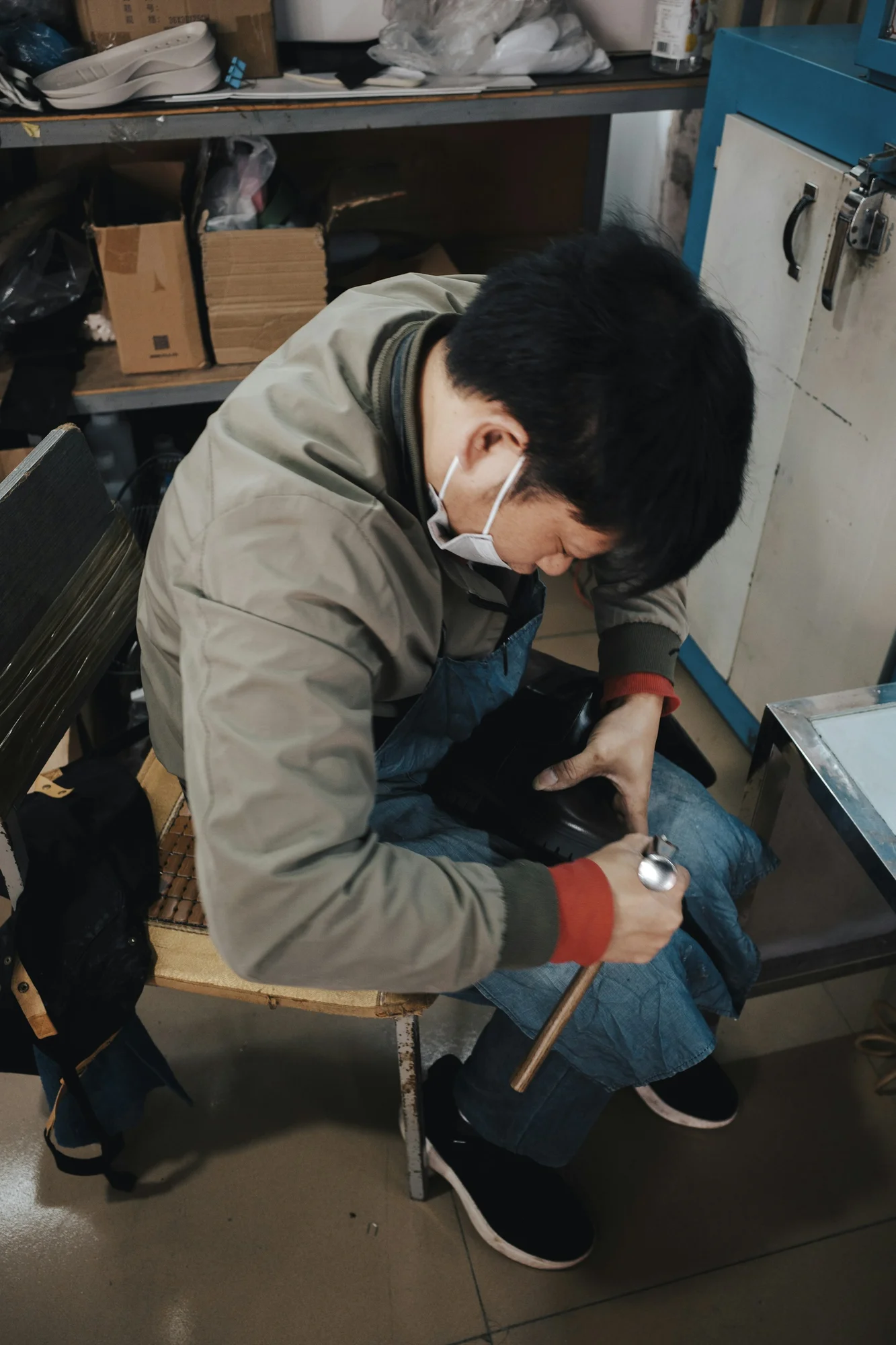
Guangzhou as Your Base for Guangdong Factory Visits
Guangzhou, and the Pazhou venue in particular, is a practical hub for Guangdong factory visits: the center of a wheel, with manufacturing cities as spokes you reach by road as your schedule allows.
Discuss Your Factory Visit Schedule
Planning Guangdong factory visits around your fair dates? We can help map the route, vehicle, and interpreter once your shortlist is set.
What to Prepare Before Entering the Factory
The visit starts before you step through the gate. Arrive with the materials that make the meeting productive.
- Your question list. Write down what you must answer: MOQ logic, lead times, packaging, how they handle QC, payment terms, and export experience with markets like yours. Bring the open questions from the fair so nothing slips.
- Product specs, models, and samples. If you discussed a specific model at the booth, bring the spec sheet or the sample. Comparing the factory version against the fair version is one of the most useful things a visit does.
- Visitor documentation. Some factories require passport details or visitor filing in advance. Confirm this with your contact when you book, and carry the documents they ask for.
- Photo rules and confidentiality. Ask upfront what you may photograph and where. Production areas, other clients' products, and some equipment may be off-limits, and that is normal. If either side wants confidentiality around designs or pricing, settle the terms before the line walk begins.
- Who needs to attend. Bring the people who can use the information: the buyer, and an engineer or quality person when the talk turns technical. Everyone should know the meeting objective before leaving the hotel.
What to Discuss and Observe During the Visit
What you cover depends on your objective, the supplier's access, and the time available. The list below is a starting point you can shape around your objective and the supplier's access.
- The production area, where access allows. Depending on the supplier, you may walk part of the production floor rather than only the showroom. A floor walk shows layout, housekeeping, and whether the line matches the booth story. Not every supplier grants floor access. If access is limited, ask why. Confidentiality, safety rules, production timing or internal policy may all affect what a visitor can see. Record the limitation as context rather than treating it as a red flag by itself.
- Process, capacity, and lead-time discussion. Ask how a product moves through the workshop, what constrains output, and how they plan a typical order. These conversations reveal whether the team thinks in volumes and dates or only in quotes.
- Tooling, samples, and open questions. Bring the specific items you could not resolve at the booth: tooling ownership, sample consistency, a quality claim, a packaging detail. Watch whether answers are concrete.
- Communication workflow. Notice how questions travel inside the company. Can the person you met at the fair get a straight answer from production? How a factory communicates on a visit is often how it communicates during your order.
- Next-step actions and owners. End with what happens after you leave: who sends what, by when, and who owns it. A visit without a next step tends to evaporate.
Throughout the visit, your goal is to build understanding. A formal audit is a separate exercise; if your risk profile calls for one, commission it separately (more on this below).
Business Interpreter vs Industry-Specific Interpreter
Business Interpreter
General business interpretation is often enough for introductions, commercial discussions, and standard supplier meetings.
- If the talk is about pricing, lead times, and general capability, a business interpreter who handles meeting flow well will do the job.
- Best fit: introductory meetings, commercial alignment, standard supplier sessions.
Industry-Specific Interpreter
Industry-specific interpretation earns its place when technical terminology matters.
- Engineering discussions, process control, tooling, and tolerances need vocabulary your industry actually uses.
- Best fit: post-fair deep-dives with formal technical sessions.
Factory Visit ≠ Audit / QC / Due Diligence
Keep five things separate: pre-visit screening, due diligence, a factory visit, a factory audit and a QC inspection. Screening asks whether a supplier is worth your time. Due diligence asks whether to proceed before ordering, contracting or paying. A factory visit builds commercial understanding. An audit assesses systems against defined criteria. A QC inspection checks whether a specific batch meets your specification. They answer different questions, and one does not substitute for another.
Factory Visit
A business meeting at the supplier's site. It builds understanding of products, processes, communication, and fit. It may surface questions worth pursuing. That is its job.
- Products
- Process discussions
- Communication
- Commercial fit
- Open questions
Separate Professional Checks
Three distinct disciplines — do not treat them as identical. A visit does not replace any of them.
- Factory AuditStructured assessment against defined criteria. It normally produces documented findings or a formal report.
- QC / Product InspectionChecks whether a specific batch or product meets your specification, usually on or before shipment. A visit is not a substitute for inspecting the goods you actually buy.
- Formal Due DiligenceCovers legal and financial standing, ownership, and regulatory exposure. A different discipline from walking a floor and asking questions.
What to Document Before, During and After the Visit
Examples only. Final deliverables depend on confirmed scope.
Pre-Visit
- Supplier Pre-Visit Screening Report
- Final Business Itinerary
- Factory / Supplier Visit Brief
Execution
- Daily Execution Update
- Meeting Notes
Post-Visit
- Visit Summary
- Project Completion Report
Common Factory-Visit Planning Mistakes
How QGO Business Can Support a Factory Visit
QGO Business is a China-side business visit execution team. We coordinate supplier and factory visits, meetings, vehicles, interpreters, routes, and project documents around your real business objective.
Pre-Show / Pre-Visit
Covers the work before you arrive: supplier search and initial screening, supplier contact, visit feasibility confirmation, and route and meeting preparation.
During-Show
Covers execution while you are in the region: trade-show support, vehicle and driver, business interpretation, Guangdong supplier meetings and factory visits, and local schedule adjustments. It fits fair-week and inter-phase window visits.
Post-Show / Deep-Dive
Covers deeper execution after the fair: cross-province or multi-city factory visits, industry-specific interpretation, formal meeting support, and meeting notes within confirmed scope. It fits technically complex or geographically spread finalists.
Sources & Editorial
Author & Reviewer
- Written by QGO Business Editorial Team
- Reviewed by QGO Business Operations
- Reviewed against QGO Business's China-side business visit execution standards, service scope and professional boundaries.
Official facts (Canton Fair 2026)
- Canton Fair official website — session dates, phases, venue, buyer registration: cantonfair.org.cn/en-US
- Ministry of Commerce of the PRC, Canton Fair session releases: is.mofcom.gov.cn
QGO Business rules (first-party)
- QGO Business Company Introduction & Service Handbook V1.1 — service divisions, capability map, service depth, deliverables, and professional boundaries.
Editorial guidance (QGO)
- Travel-time figures (Guangzhou to Foshan / Dongguan) are approximate and traffic-dependent; verify with live maps for your actual route.
- The inter-phase closures (Oct 20–22, Oct 28–30, 2026) are described as potential off-site visit windows, not guaranteed factory-visit days; supplier availability and appointment confirmation apply.
Plan Your Canton Fair Factory Visits
Tell us your fair dates, target cities, and supplier status — we will help structure the visit plan around them.
Plan Your Visits