How business communication works in China
There is no single way that Chinese businesspeople communicate. Expectations differ by sector, region, company, generation, role and individual. A state-owned enterprise, a family business, a technology start-up and a long-standing export supplier may run meetings very differently. Use cultural guidance as a prompt to prepare and observe, then ask your counterpart how they prefer to work.
A useful starting point is to be punctual, clear about your purpose, respectful of roles, patient with decisions that need internal review, and careful to confirm important points in writing. Public trade guidance notes that introductions, meeting preparation, hosting and follow-up can matter in China business settings; it should be treated as a set of possible practices rather than a script that every counterpart follows.
Scenario: you have joined a first meeting where people use different levels of formality and some points need translation. Briefly introduce your team, state the meeting purpose, and agree how open questions and decisions will be recorded. Common misunderstanding: treating a familiar etiquette tip as a rule for everyone can make a counterpart feel stereotyped. Observe, ask and adapt.
Try saying: “Before we start, could we agree on the purpose of this meeting and the best way to record decisions and open questions?”
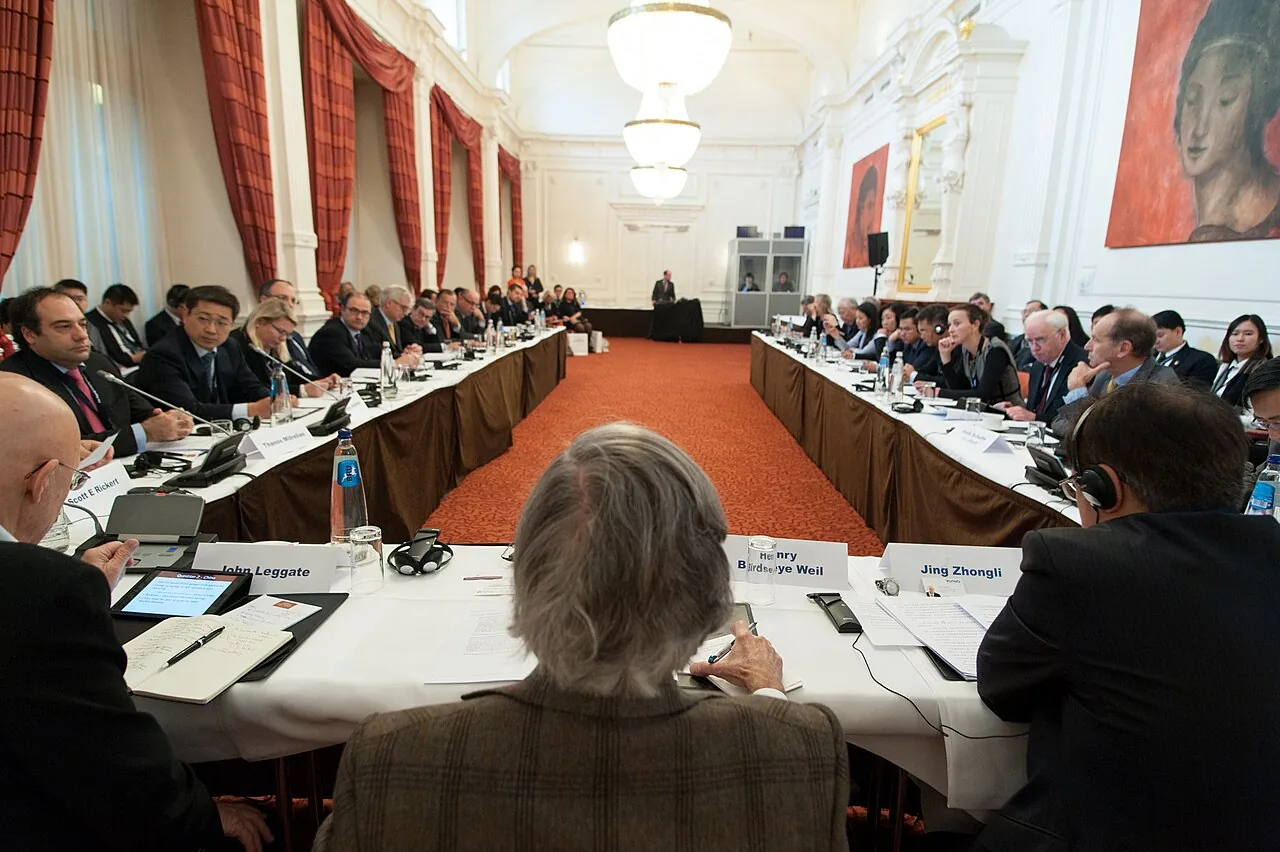

Preparing for a supplier meeting
Scenario: your team has a first appointment with a supplier and only an hour to use. Send a short agenda ahead of time and bring a stable product brief: specifications, target market, likely order quantity, sample request, commercial questions and who can approve next steps. Share technical terms in advance if you will work through an interpreter.
At the meeting, introduce the people in your group and what each person is responsible for. Ask the supplier to introduce the people who can answer production, engineering, sales and commercial questions. Confirm whether the person giving an answer can commit to it or needs approval from someone else.
Common misunderstanding: a detailed presentation can crowd out the questions you actually need answered. Leave time to hear the supplier’s process and record open issues. A short written recap after the meeting is more reliable than relying on memory.
Try saying: “To make the meeting useful for both teams, could we first confirm the product requirements, then cover samples, timing and the decisions that still need internal approval?”
For a spec-led preparation checklist, continue to How to Prepare for a Supplier Meeting in China. That guide covers the technical and commercial information to bring; this article focuses on communication and interaction.
Greetings, names, titles and business cards
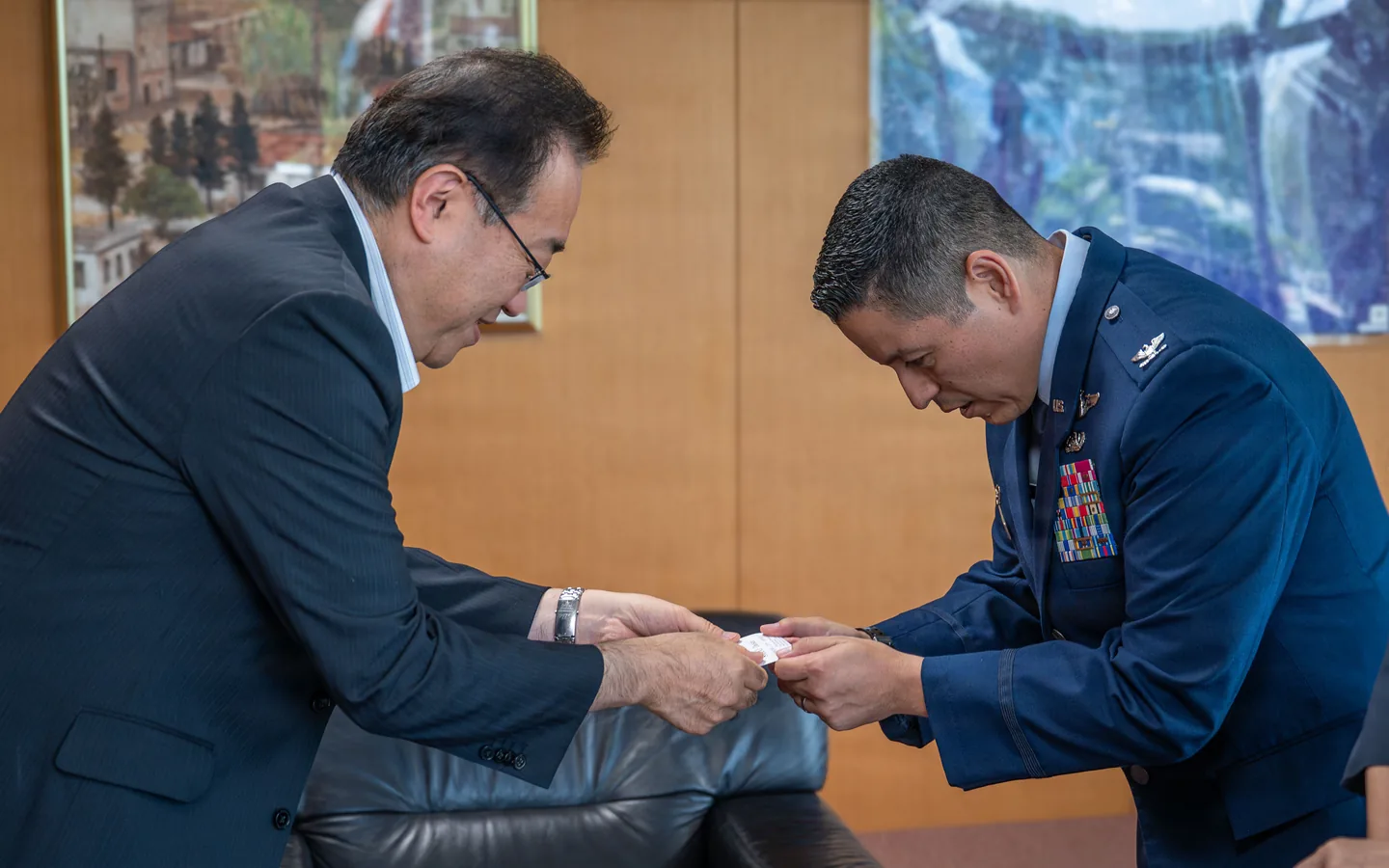
Scenario: several people join the room and you are unsure who should be greeted first. Follow the host’s introductions, listen for how people present their names and roles, and use the title and form of address they use for themselves. If you are unsure how to say a name, ask politely rather than guessing repeatedly.
Bring cards if they are useful for your business, but do not treat exchanging one as a test of a person’s seriousness. Some contacts may prefer to scan a QR code or connect digitally. If a card is offered, take a moment to read the name and role before putting it away; ask how the other person prefers to stay in touch.
Common misunderstanding: a title is not proof that someone has authority to approve a quote or contract. Confirm decision roles directly and record who owns each follow-up.
Try saying: “How would you prefer me to address you?” or “Would you prefer to exchange cards or connect on WeChat or email?”
Negotiation style and decision-making
Scenario: a supplier gives an initial price or says a proposal is possible. Treat it as the beginning of a discussion, not automatically as a final offer or binding commitment. Confirm the currency, unit, quantity tier, product configuration, packaging, delivery point, validity period and any exclusions in a written quotation.
Ask open questions about what would change the quote: a different material, quantity, tooling, test requirement, packaging or delivery schedule. If you need approval from your own team, say so plainly. If the supplier needs internal approval, ask when and from whom you can expect a confirmed answer. Separate what is agreed, what is proposed and what remains open.
Common misunderstanding: a polite “yes,” nod or “we can do it” may acknowledge that the other person heard your request; it does not by itself define the specification, price or authority to commit. Confirm the actual point in writing before you rely on it.
Try saying: “Could you mark which items are confirmed in this quotation and which still depend on technical or management approval?”
Business dining and hosting etiquette
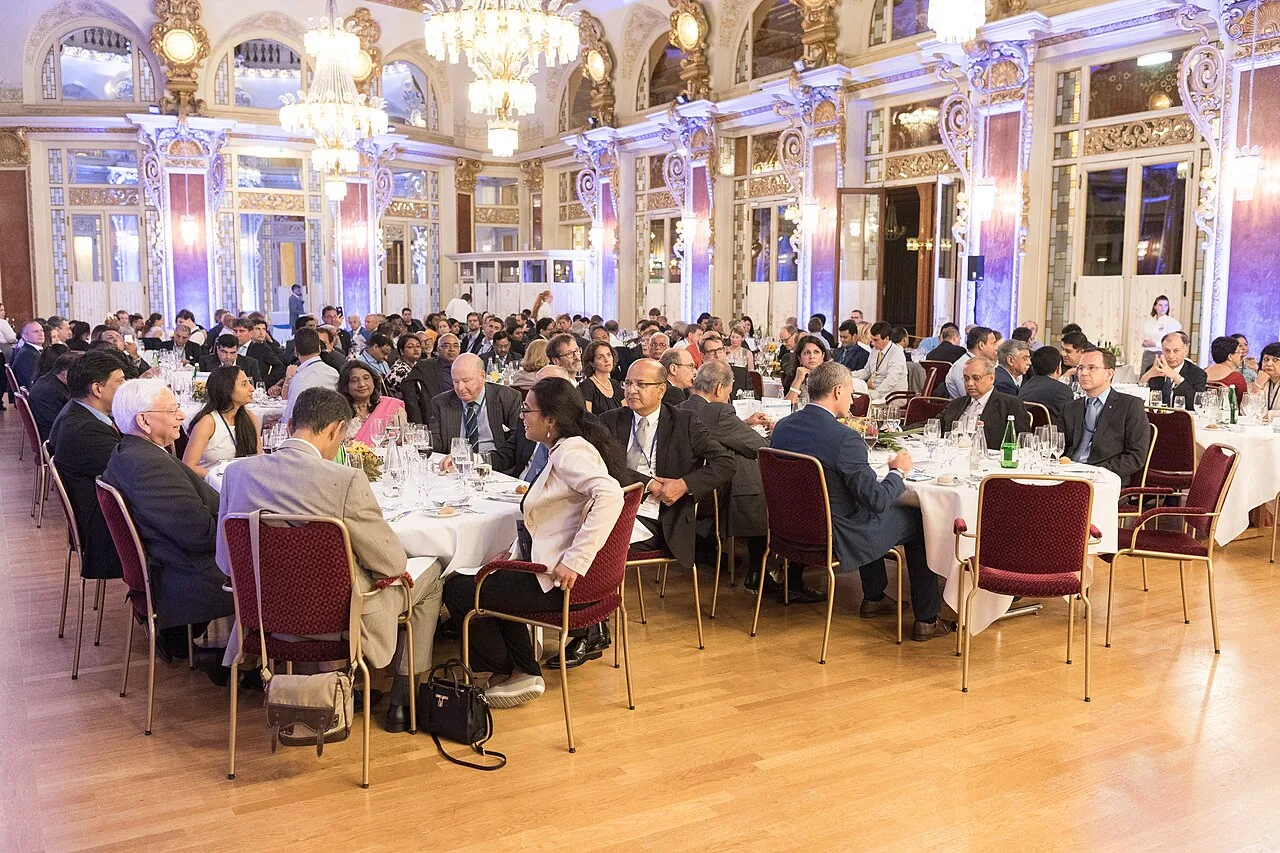
Scenario: a supplier invites your team to a meal after a meeting. Ask who is attending, where and when to meet, whether there is a dress expectation, and whether your host needs advance notice of dietary or accessibility requirements. Follow the host’s practical cues about seating and when to begin, while remaining within your personal, medical and religious boundaries.
A meal can be a chance to continue getting acquainted, but the purpose and tone vary. Do not assume that a dinner is a negotiation, a commitment or an obligation to drink alcohol. If you do not drink, say so early and courteously. If a business topic needs a decision, suggest a separate meeting or written follow-up so that the decision-makers, specifications and terms are clear.
If your company is hosting, confirm the venue and budget in advance and follow your organization’s expense rules. Keep the invitation appropriate to the business context and the attendees’ policies. No one should be pressured to accept food or drink.
Common misunderstanding: guidance written for one formal banquet can sound universal. Ask the host what to expect and take cues from the people present rather than applying a fixed rule to every meal.
Try saying: “Thank you for the invitation. I have a dietary restriction, so I will let you know what I can eat. I do not drink alcohol, but I would be glad to join the meal.”

Gift-giving: context, company policy and compliance
Scenario: you are considering bringing a courtesy item to a first meeting. Before buying or offering anything, check your company’s gifts and hospitality policy, the recipient organization’s rules, conflicts-of-interest controls, applicable law, approval thresholds, disclosure and record-keeping requirements. If you cannot confirm that the gift is allowed, do not bring it.
Never use a gift, meal, entertainment or other benefit to influence a purchasing decision, secure confidential information, obtain an improper advantage or reward an individual for a business decision. Avoid cash and cash equivalents. Be particularly cautious where a recipient works for a public body, a state-owned enterprise, or a regulated or procurement-sensitive organization. A company’s policy may be stricter than the law.
China’s Anti-Unfair Competition Law, revised in 2025, addresses commercial bribery, including benefits offered to specified people to obtain a transaction opportunity or competitive advantage. The relevant facts and rules vary by situation and jurisdiction. This article is practical business guidance, not legal advice; ask your compliance or legal team before offering anything of value. Read the current Anti-Unfair Competition Law published by China’s State Administration for Market Regulation.
Common misunderstanding: a custom described in a general etiquette guide does not override your company’s rules or make a gift lawful. Declining is an appropriate option.
Try saying: “Thank you for thinking of us. Our company policy does not allow us to accept gifts, but we appreciate the gesture.”
How to disagree politely and follow up
Scenario: a proposed specification, schedule or price does not work for you. State the constraint and explain the effect on your decision. Then ask for a specific alternative. Being courteous does not require hiding a disagreement; being direct about the issue helps both teams avoid acting on different assumptions.
After a meeting, send a concise recap with the agreed items, unresolved questions, owner and date for each next step. Label estimates and proposals as such. Invite correction: a recap is a coordination tool, not a substitute for a signed agreement or a complete contract.
Common misunderstanding: a warm close or an optimistic “we will try” can feel like a firm promise. Thank your counterpart and still ask what is confirmed, what is pending and when the next update is expected.
Try saying: “That timing will not work for our launch. Could you show us the earliest confirmed schedule, and separately list any faster option that still needs approval?”
Common cross-cultural misunderstandings
Silence
Possible reading: silence may mean someone is thinking, checking a translation or waiting for a colleague. What to do: pause, then invite questions without forcing an immediate answer. Avoid: treating a quiet room as agreement or rejection. Try: “Would a short pause help, or should we come back to any open questions?”
Indirect language
Possible reading: a concern may be softened to keep the exchange constructive. What to do: ask a neutral follow-up. Avoid: assuming every polite statement is a firm yes or no. Try: “What would need to change for this to work?”
Hierarchy and expertise
Possible reading: participants may defer to a colleague who owns the decision or technical subject. What to do: ask who should confirm each point. Avoid: assuming the most senior person has every technical answer. Try: “Who is best placed to confirm this technical point?”
Relationship-building
Possible reading: some partners prefer time to establish context before discussing details. What to do: introduce your company and purpose, then keep a clear agenda. Avoid: confusing rapport with due diligence or contractual protection. Try: “Could I give a brief overview, then use the time for the product questions on our agenda?”
These are questions to consider, not fixed descriptions of Chinese counterparts. When a signal is unclear, ask the person in front of you what they mean and how they want to proceed.
Working with a business interpreter
Scenario: the meeting moves between English and Chinese while you discuss technical details. Brief the interpreter before the meeting with the agenda, names, product terms, units, acronyms, company names and any documents that may be discussed. Confirm whether you need consecutive or simultaneous interpretation and whether notes or recordings are permitted.
Speak in manageable sections at a natural pace. Pause after a complete thought, use the same numbers and units each time, and explain an unfamiliar acronym. Speak to your counterpart rather than asking the interpreter to “tell them” in the third person. Give the interpreter time to finish, and invite them to flag an unclear term. Ask both sides to confirm critical numbers and commitments in writing afterward.
Common misunderstanding: interpretation is not a substitute for clear source language or a decision record. A general business interpreter is also not automatically a certified legal, medical or specialist technical translator. Agree the required expertise and confidentiality arrangements before the assignment.
Try saying: “I will speak in short sections. Please stop me if a term or number needs clarification, and we can confirm the final figures in writing.”
The European Commission’s speaker guidance for working with interpreters recommends clear pacing, explicit names and numbers, and sharing texts that interpreters need in advance. QGO Business can coordinate business interpretation only within a confirmed project scope; independent providers and language availability are subject to review and written confirmation.


Practical scenarios and example phrases
When a commitment is unclear:
“Could you help us separate what is confirmed today from what still needs approval?”
When you need to disagree:
“I understand the proposal. Our requirement is different on this point; could we review an option that meets this specification?”
When a number is important:
“Could we write down the model, quantity, unit price, currency and delivery basis so both teams are working from the same figures?”
When you need time:
“Thank you. We need to review this with our team. We will come back by [date] with our decision or questions.”
When ending the meeting:
“Let me recap the three next steps, who owns each one and when we expect an update. Please correct anything I have misunderstood.”
These are sample English phrases for clear business communication, not recorded quotations or claims about a real QGO conversation. Adapt them to your counterpart and the decision you need to make.